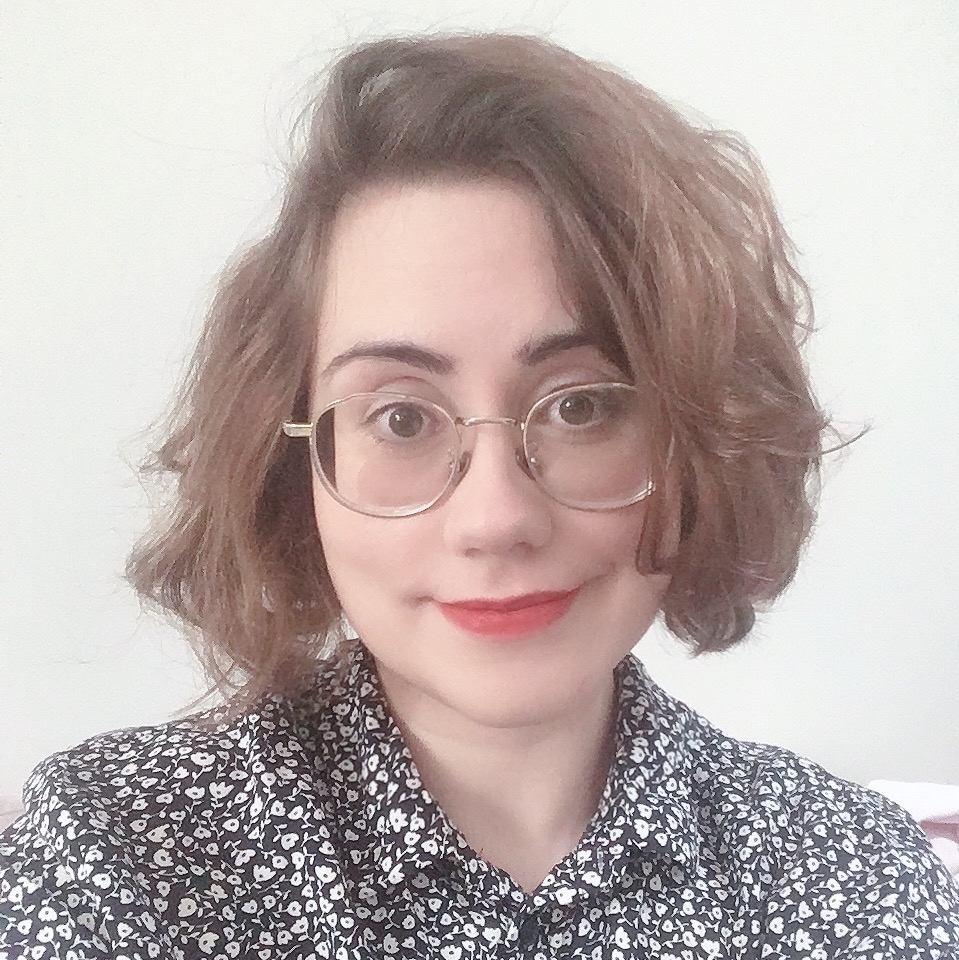
To start with, I think it's important for all my clients to know that I'm diagnosed with ADHD and autism myself. I was diagnosed in my twenties, after a lifetime of not understanding why I couldn't just do things other people seemed to find easy. I know what it's like to struggle, and to feel like your brain is your enemy.
I also know that when we really understand our unique ADHD brains, and learn to work with them rather than against them, leaning on our strengths, rather than punishing ourselves for not living up to what we've been told we "should" be...well, it changes absolutely everything. ADHD coaching is one way to get there.
I have lived experience of chronic illness and disability, and have a deep understanding of how complex it can be to manage physical conditions alongside ADHD and autism. I also have lived experience of LGBTQIA+ identity, and want you to know that whoever you are and however you show up in the world, you are welcome here.
I have, like many ADHDers, a pretty eclectic background. I've worked in academia (I have a PhD about ukulele players...), in tech, and as an artist and touring musician (exhibiting and performing at Somerset House, the Barbican, and Primavera Sound, among others). I've spent many years as a lecturer and a study skills tutor, and I'm also a long-standing crisis hotline volunteer.
I have some... weirder claims to fame, too. I published the first peer-reviewed research paper on YouTube lofi hip hop channels. I was once featured on Canadian public radio for making generative art with emojis on Twitter. And before I'd ever disclosed my neurodivergence to anyone, I co-hosted a podcast about my hyperfixations.
The point, though, is this:
I've harnessed my brain to do a lot of awesome things. You can too. Let's figure it out together.
A note on diagnosis and self-diagnosis
When I was diagnosed, I did not know myself very well (after all, I'd been trying to be "normal" for a really long time). My diagnoses came as a surprise, and were an important piece in the puzzle of my self-understanding.
However, my story is not your story. Whether you are formally diagnosed, self-diagnosed, awaiting a diagnosis, or just have a gut feeling that you might benefit from this type of work, you are welcome here.
My training and credentials
Coaching is not a legally regulated profession. Not everyone is aware, though, that we absolutely do have organisations which set best-practice professional standards and codes of ethics for coaching. Aligning with these organisations is referred to as "voluntary self-regulation" - we don't have to join and adhere to those standards and codes, but we choose to because it's important to us that we work in accordance with best practice and promote what we see as professional excellence.
I have chosen to align myself with two professional standards bodies: one is ICF, because I believe their approach to how we should coach (not telling you what to do, deeply listening, and co-creating the direction of our work together) is a really wonderful one, and the other is EMCC, who are less opinionated on how coaching should look, but (very importantly) encourage coaches to continuously reflect on our practices both on our own and with a supervisor, which I personally believe is absolutely crucial to working ethically and safely.
This also means I practice in accordance with the codes of ethics of both organisations. You can read more about the ethical principles by which I work here and here.
There are many really excellent coaches out there who don't hold as many credentials and professional memberships as I do, and that is okay. It isn't a requirement for doing good work, and ultimately the most evidence-based thing you can do is to work with a coach you have a good rapport with. It is personally important to me, though, that anyone working with me knows that I've committed to practicing as ethically and safely as I can, that I am continually learning and developing and refining my skills, that I try to surround myself with other coaching professionals who can both support me to do those things and hold me to account, and that those are things that are important to me both as a professional and as a human being.
Credentials I hold include:
- PCC - Professional Certified Coach: Awarded by the International Coaching Federation (ICF).
- ACCG - Certified ADHD Coach: Awarded by ADD Coach Academy (ADDCA), one of only a few ICF-accredited ADHD coach training programmes in the world.
- EIA Senior Practitioner Status: Awarded by the European Mentoring and Coaching Council
- ESQA Supervisor Status (in progress): I am currently working towards the EMCC's ESQA supervisor accreditation.
- PhD: I hold a doctorate from Goldsmiths University of London. Completed within the Popular Music Research Unit, it was really an interdisciplinary project drawing on sociology, anthropology, psychology and media studies. Among other things, my thesis looked at how aspects of person-centred psychological theory showed up in non-clinical community spaces, which continues to inform my coaching to this day.